Robert Linder
 WPC flooring, short for Wood Plastic Composite flooring, has emerged as one of the most practical and visually appealing flooring solutions for modern residential and commercial environments. Engineered to combine the natural look of wood with the durability of advanced polymers, WPC flooring offers a balance of performance, comfort, and design flexibility that traditional flooring materials often struggle to achieve. As interior design trends continue to favor low-maintenance and long-lasting materials, WPC flooring has positioned itself as a preferred choice for a wide range of applications.
What Is WPC Flooring?
WPC flooring is a type of engineered vinyl flooring composed of a rigid core made from a blend of wood fibers, plastic composites, and stabilizing additives. This core structure provides enhanced dimensional stability and resistance to moisture compared to conventional hardwood or laminate flooring. The flooring typically consists of multiple layers, including a wear layer for protection, a decorative layer that replicates natural wood or stone textures, the WPC core, and an underlayment for sound absorption and comfort underfoot.
Key Advantages of WPC Flooring
One of the most significant advantages of WPC flooring is its water resistance. Unlike natural wood, which can warp or swell when exposed to moisture, WPC flooring maintains its shape and integrity even in humid conditions. This makes it suitable for areas such as kitchens, bathrooms, basements, and other moisture-prone spaces.
Durability is another defining feature. The rigid core construction allows WPC flooring to withstand heavy foot traffic, making it ideal for commercial settings such as offices, retail stores, hotels, and educational facilities. The protective wear layer helps resist scratches, stains, and dents, ensuring the flooring retains its appearance over time.
Comfort and acoustics are also notable benefits. WPC flooring feels softer and warmer underfoot compared to ceramic tiles or stone flooring. The integrated underlayment reduces noise transmission, making it an excellent option for apartments, multi-story buildings, and office environments where sound control is important.
Design Versatility and Aesthetic Appeal
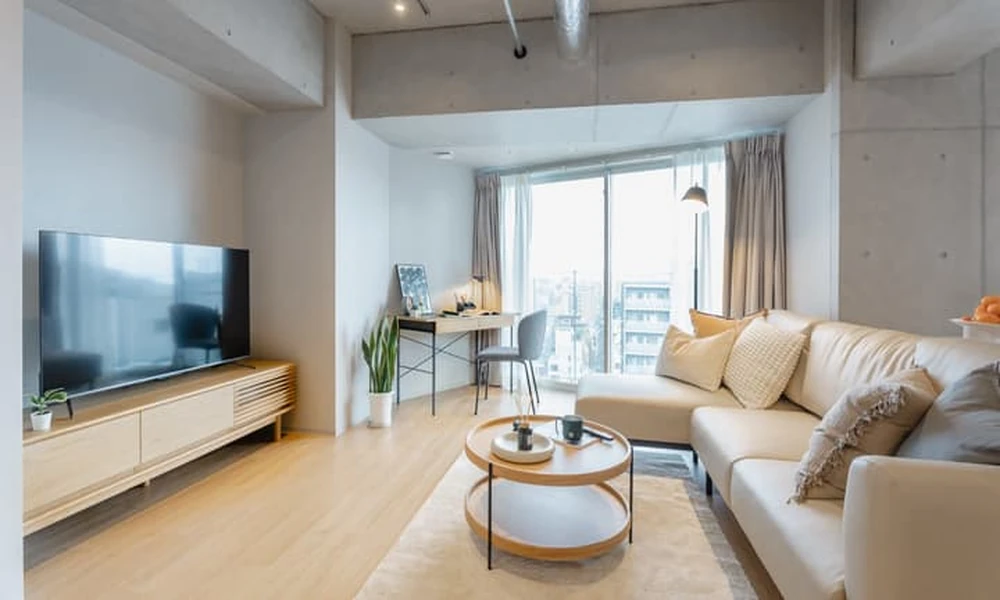
WPC flooring offers extensive design versatility. Advanced printing and embossing technologies allow manufacturers to create highly realistic wood grains, stone patterns, and textured finishes. From classic oak and walnut tones to modern grey and whitewashed styles, WPC flooring complements a wide range of interior design themes.
Plank sizes, surface textures, and edge profiles can be selected to achieve a customized look. Whether the goal is a rustic, contemporary, or minimalist aesthetic, WPC flooring provides the flexibility to align with specific design requirements without sacrificing performance.
Installation and Maintenance
Installation is another area where WPC flooring excels. Most WPC flooring systems use a click-lock or floating installation method, eliminating the need for adhesives or nails. This not only reduces installation time and labor costs but also allows for easy replacement of individual planks if necessary. WPC flooring can often be installed over existing subfloors, provided they are clean and level.
Maintenance requirements are minimal. Regular sweeping or vacuuming removes dust and debris, while occasional damp mopping keeps the surface clean. Unlike hardwood flooring, WPC does not require sanding, polishing, or refinishing, resulting in long-term cost savings and reduced upkeep effort.
Environmental and Practical Considerations
Many WPC flooring products are manufactured using recyclable materials and low-VOC components, contributing to improved indoor air quality. This makes them suitable for homes, offices, healthcare facilities, and educational institutions where environmental and health standards are a priority.
In addition to being eco-conscious, WPC flooring performs well in regions with temperature fluctuations. Its dimensional stability minimizes expansion and contraction, reducing the risk of gaps or buckling over time. This reliability makes WPC flooring a practical investment for both short-term renovations and long-term property development projects.
Common Applications of WPC Flooring
WPC flooring is widely used in residential spaces such as living rooms, bedrooms, kitchens, and hallways due to its aesthetic appeal and comfort. In commercial environments, it is commonly installed in offices, retail outlets, hospitality venues, and showrooms where durability and design consistency are essential. Its moisture resistance also makes it suitable for gyms, clinics, and educational facilities.
Conclusion
WPC flooring represents a modern flooring solution that successfully combines durability, style, comfort, and ease of maintenance. Its ability to withstand moisture, heavy use, and changing environmental conditions makes it a reliable choice for a wide range of applications. With its realistic designs and practical benefits, WPC flooring Dubai continues to gain popularity among homeowners, designers, and commercial property managers seeking a high-performance flooring option that delivers long-term value.