Robert Linder
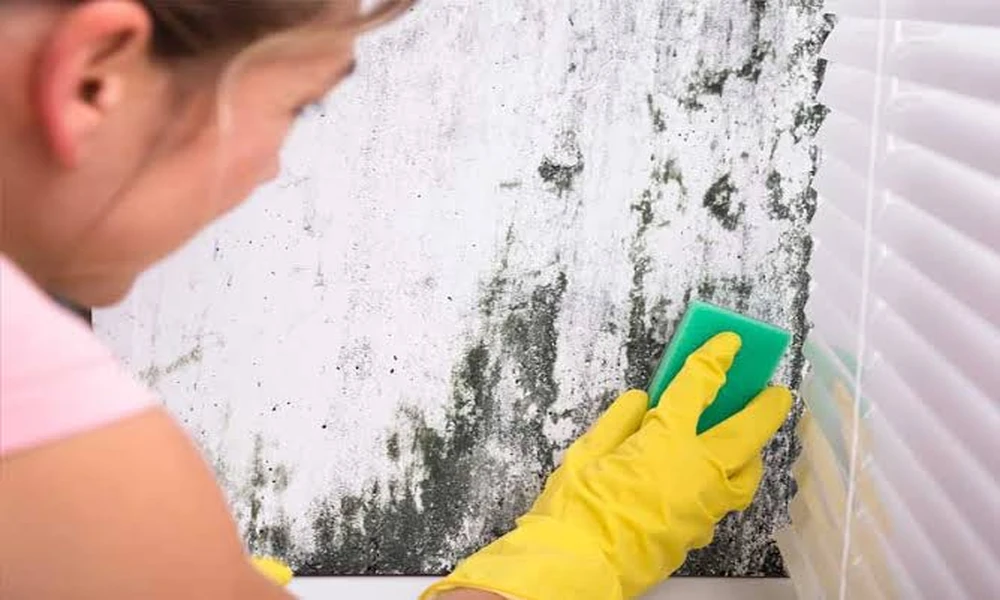
The closet wall looked perfect after the second coat of paint. For about three months, anyway. Then the faint gray freckles came back through the finish, a little wider than before, and the musty smell that started it all was stronger than ever. The homeowner had done what most people do. She sprayed the spots with bleach, let it dry, primed the wall and painted. None of it touched the real problem.
Stories like that explain why Community Property Restoration treats education as part of Virginia Beach mold remidiation rather than an afterthought. Owner Bobby Dexter has close to 18 years in Hampton Roads restoration behind him, and his family run, IICRC certified company on Seahawk Circle takes calls around the clock. Its crews seal off affected areas so spores can’t drift into other rooms, then focus on keeping the growth from coming back.
The shortcuts below are the ones that turn a small patch into a stubborn, recurring one. Each feels like progress in the moment, which is exactly what makes them easy to fall for.
Chemistry That Mostly Changes the Color
Bleach is the reflex. It works reasonably well on glass, tile and other hard surfaces that water can’t soak into. Drywall, wood framing, ceiling tiles and carpet backing are another story. Mold grows threadlike roots called hyphae down into those porous materials, and chlorine tends to stay near the surface while the water in the solution sinks in. The stain fades, the roots stay, and the wall has just been given a fresh drink.
There is a second problem that surprises people. NDSU Extension engineer Ken Hellevang has pointed out that dead mold can still trigger allergic reactions, so killing it isn’t enough and it has to be physically removed. Vinegar, tea tree oil and hydrogen peroxide run into the same wall. They may knock back surface growth, but none of them lift dead spores and fragments out of a porous board.
Covering Up Instead of Clearing Out
Hiding mold is often more tempting than treating it, especially before a showing, a lease renewal or a family visit. The usual cover ups look something like this.
- Regular paint or stain blocking primer rolled straight over spotted drywall
- Mold resistant paint used as a cure, when it is really meant for clean, dry surfaces
- Fresh caulk laid over black growth in a shower corner
- New baseboard nailed over a damp, discolored wall bottom
- Furniture or a rug moved to sit over the patch
Each one traps moisture against the growth and removes the only warning sign you had. The colony keeps feeding behind the coating, and when it finally shows again the affected area is usually larger and the material underneath weaker.
Gadgets That Promise to Clean the Air
Ozone generators and chemical foggers are sold heavily to homeowners and even used by some contractors. At concentrations that are safe to breathe, ozone does little to mold growing inside a wall or under flooring. At concentrations high enough to have an effect, it irritates lungs and can damage rubber, fabrics and other materials. Foggers settle a film over everything in the room without removing the source.
Portable HEPA air purifiers are more useful but play a supporting role. They can lower the number of spores floating in a room. They can’t do anything about the colony on the back of the drywall that keeps releasing more.
Cutting Out Only What You Can See
Some homeowners take the more aggressive route and cut out the stained square of drywall. That is closer to the right idea, but visible staining rarely marks the edge of the growth. Mold often spreads farther on the hidden face of the board, along the bottom plate, and into insulation inside the cavity. A cut that stops at the stain usually leaves growth in place. Cutting without containment also sends dust and spores through the house, and they settle in places that were clean before.
Size matters here too. Federal guidance generally treats patches under about ten square feet as something a careful homeowner can handle with gloves, an N95 mask and eye protection. Anything larger, anything inside wall cavities or ductwork, and anything following sewage or flood water calls for professional containment and removal.
Drying the Room but Not Stopping the Water
A dehumidifier is genuinely helpful, and keeping indoor humidity under 60 percent slows mold dramatically. It is still treatment rather than a cure if water keeps arriving. A slow drip from a supply line, condensation on cold ductwork, a leaking window flashing or a damp crawl space will outrun any machine sitting in the middle of the room. Mold can begin growing on wet materials within a day or two, so a hidden leak resets the problem faster than most people expect.
Coastal Virginia makes this harder than it is in drier places. Summer dew points sit high for months, much of the area has a shallow water table, and crawl spaces under older homes can stay damp most of the year. An air conditioner that is oversized or short cycles cools the air without pulling enough moisture out of it, so a house can feel cold and still read 65 percent humidity. In homes like that, finding where the moisture comes from matters more than anything sprayed on a wall.
Testing That Answers the Wrong Question
Petri dish kits from the hardware store almost always grow something, because mold spores are present in nearly every indoor and outdoor space. A positive result doesn’t confirm a problem and a mild one doesn’t rule one out. Air sampling by a qualified inspector can be useful when there is a musty smell with no visible growth, or to compare indoor and outdoor spore levels after a cleanup. As a starting point, a flashlight, a moisture meter and a good nose usually tell you more.
What a Lasting Fix Actually Involves
A remediation that holds tends to follow the same logic every time. The moisture source gets found and repaired first. The work area is sealed off with plastic sheeting and kept under negative air pressure so spores move toward a filter rather than into the hallway. Porous materials with growth are bagged and removed rather than scrubbed, while hard surfaces and structural wood are cleaned and HEPA vacuumed. Everything is dried to normal moisture readings before new drywall goes up, and a final check confirms the area is clean and dry.
That sequence takes longer than a can of spray and a paint roller, and it usually costs less than doing the cover up two or three times. The wall that comes back in three months is the expensive one.