Robert Linder
 For generations, the job of a roof was relatively straightforward. Keep the weather out, help retain heat and protect the structure beneath it.
That brief is changing.
Look at many new commercial developments, apartment buildings and extensively renovated properties today and the roof is being asked to do far more. Solar panels generate electricity. Green roofs provide habitats and help manage rainfall. Air-conditioning equipment competes for space with vents and rooflights. Insulation standards have improved, while drainage systems are increasingly expected to cope with sudden periods of intense rainfall.
In some developments, the roof even becomes an amenity in its own right, incorporating terraces, gardens or recreational areas.
The result is that one of the least glamorous parts of a building is quietly becoming one of its most valuable and technically complicated spaces.
Roofs can no longer be treated as an afterthought
There was a time when much of the equipment associated with a building could simply be placed on the roof once the main design had been established.
That approach is becoming increasingly difficult.
Every additional use places demands on the roof beneath it. Solar panels require suitable fixing arrangements and access for maintenance. Mechanical equipment introduces weight, vibration and penetrations. Green roofs retain water and require carefully designed drainage. Terraces introduce foot traffic to areas that may previously have been accessed only occasionally.
All of this has to happen without compromising the roof’s most fundamental purpose – keeping water outside the building.
That sounds obvious, but it becomes considerably more difficult when multiple contractors and systems are sharing the same space.
Solar has changed the conversation
The rapid growth of rooftop solar provides perhaps the clearest example.
For many building owners, an unused expanse of roof now represents potential energy generation. Warehouses, schools, offices and retail buildings can offer particularly large areas for photovoltaic panels.
But the condition of the roof underneath those panels matters.
Installing a solar array expected to remain in place for decades over a roof covering approaching the end of its serviceable life creates an obvious problem. If the waterproofing subsequently needs replacing, panels may have to be removed and reinstated before roofing work can begin.
The sensible approach is to assess both together.
How much life remains in the existing roof?
Can it support the proposed system?
How will installers access the roof without damaging the waterproofing?
What happens when maintenance is required?
Where will rainwater flow once equipment has been installed?
These are roofing questions as much as energy questions.
Flat roofs offer enormous potential
The flat roof was once regarded primarily as a practical way to cover large buildings cheaply and efficiently.
That perception is increasingly outdated.
A well-designed flat roof can provide an extremely useful platform for technologies and systems that would otherwise compete for valuable ground-level space.
The challenge is that the more valuable the roof becomes, the more important its waterproofing becomes too.
Modern membrane systems such as Alwitra Evalon roofing are designed for flat and low-pitched applications where dependable waterproofing is critical. The roofing system beneath solar panels, plant equipment or other installations has to remain maintainable throughout its service life.
Covering a roof with useful technology is little consolation if nobody can reach the waterproofing when something eventually needs attention.
Green roofs are doing more than looking attractive
Green roofs have become increasingly visible on new developments, particularly in urban areas.
Their appeal is easy to understand. Instead of looking across bare roofing materials, occupants and neighbouring buildings see vegetation.
The benefits can extend beyond appearance.
Depending on their design, green roofs can provide habitats, contribute to biodiversity and retain some rainfall rather than immediately directing every drop into drainage systems.
That final point is becoming increasingly relevant.
Long dry periods followed by sudden heavy rainfall create a difficult challenge for urban drainage. Large areas of conventional roofing can discharge considerable volumes of water very quickly.
A roof designed to retain and gradually release some of that rainfall can form part of a wider drainage strategy.
But a green roof is not simply a normal roof with soil placed on top.
Waterproofing, root resistance, drainage, loading and maintenance all need to be considered at the design stage.
Once vegetation and growing media are installed, repairing poor waterproofing underneath becomes considerably more complicated.
Water management is becoming a design issue
British buildings have always needed to cope with rain, but the way rain arrives matters.
Twenty millimetres falling steadily across an entire day presents a different drainage challenge from the same quantity arriving during a short, intense downpour.
Roof outlets, gutters and drainage routes therefore need enough capacity to manage peak conditions rather than merely average rainfall.
This becomes particularly important on commercial buildings because of their scale.
A roof measuring 2,000 square metres receiving 20mm of rain is dealing with around 40,000 litres of water.
That water needs somewhere to go.
Blocked outlets, inadequate falls or poorly positioned equipment can interfere with drainage and create areas of ponding. For facilities managers responsible for large properties, professional commercial roofing maintenance should therefore include drainage as well as the visible condition of the roof covering.
The waterproof membrane is only one part of the system.
Everybody wants a piece of the roof
One of the less obvious challenges facing modern roofs is the number of different trades that may need access to them.
Roofers install the waterproofing.
Solar contractors install panels.
Heating and ventilation engineers work on mechanical plant.
Electricians install cabling.
Telecommunications contractors add equipment.
Window specialists may maintain rooflights.
Facilities teams need routine access.
Each contractor understandably concentrates on their own area of responsibility, but the roof experiences the combined effect.
Dropped tools, poorly positioned supports and inappropriate fixings can all damage a roofing system. Even repeated foot traffic can create problems if people regularly walk across areas that were not designed as access routes.
This is why walkways and designated maintenance areas matter on busy commercial roofs.
Protecting the waterproofing should remain a consideration whenever another system is installed above it.
Roof space now has a financial value
As buildings become more sophisticated, roof area increasingly has measurable economic value.
Solar installations can reduce purchased electricity.
Roof terraces can add desirable amenity space to developments.
Green roofs can contribute towards planning, environmental and biodiversity objectives.
Mechanical plant located on the roof frees up internal or ground-level space.
That changes the economics of roofing.
A roof is no longer simply an unavoidable construction cost. It can become an asset capable of supporting systems that provide benefits throughout the life of the building.
The catch is that these benefits depend on the roof itself continuing to perform.
Saving money through solar generation while ignoring deteriorating waterproofing underneath is false economy.
Existing buildings present the bigger challenge
Designing a multifunctional roof on a new building is relatively straightforward because requirements can be considered from the beginning.
Retrofitting an existing property is more complicated.
Many commercial buildings across Surrey and the wider South East were constructed long before anyone expected their roofs to support solar arrays, green infrastructure or substantial mechanical equipment.
That does not necessarily prevent modernisation.
It does mean the existing structure and roofing system should be understood before additional demands are placed upon them.
Load capacity may need checking. Waterproofing may require renewal. Drainage might need alteration. Access routes may have to be introduced.
Sometimes the best opportunity to make these changes is when significant roofing work is already planned.
Residential roofs are changing too
The same trend is increasingly visible on homes.
Extensions with flat roofs are common across Surrey and the South East, particularly where homeowners are creating larger kitchens and open-plan living areas.
Those roofs may contain substantial insulation, rooflights and solar technology while sometimes being visible from upstairs windows, making appearance more important than it once was.
Elsewhere, homeowners are considering solar panels, sedum roofs and improved insulation as part of wider renovation projects.
Good residential roofing therefore increasingly involves thinking about how the roof will be used in the future, not simply replacing whatever covering was installed previously.
A roof expected to remain in service for several decades needs to accommodate the way buildings are evolving.
Waterproofing still comes first
There is an irony in all this innovation.
Roofs are becoming more technologically advanced, environmentally useful and financially valuable, yet their most important job remains unchanged.
They must keep water out.
Solar panels cannot compensate for a leaking membrane. A thriving green roof is of little benefit if moisture is entering the structure beneath it. Expensive mechanical equipment does not make poorly maintained drainage less problematic.
The more we ask roofs to do, the more important the fundamentals become.
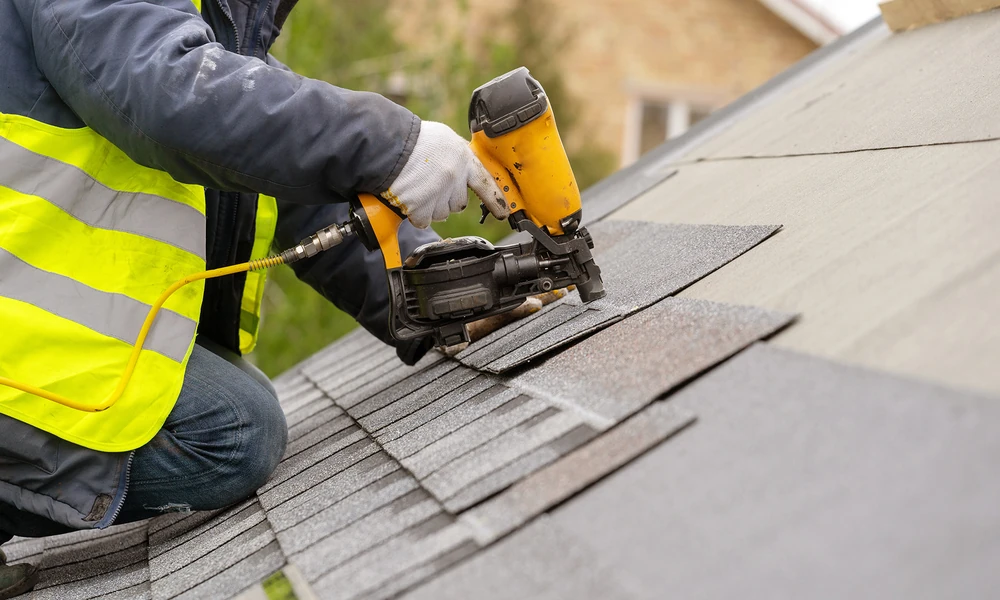
That means appropriate materials, competent installation, sensible detailing, adequate drainage and straightforward access for future inspection.
The roof of the future may generate electricity, manage rainfall, support biodiversity and provide valuable usable space.
But before it does any of those things, it still has to work as a roof.