Jane
Assessing Backyard Space and Property Layout
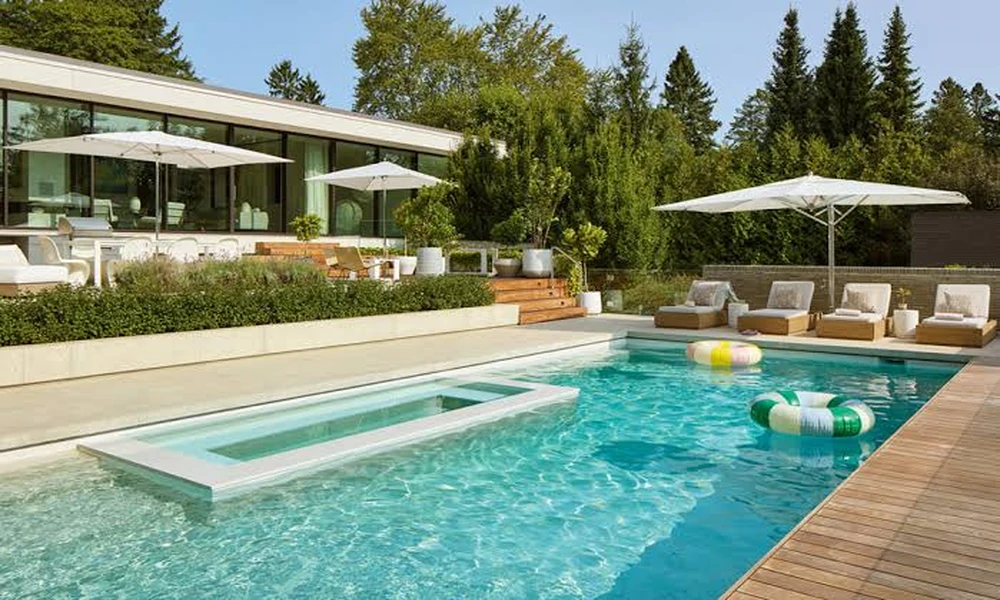
Adding a swimming pool can change how a backyard is used, so careful planning is essential before starting a pool installation project. Homeowners should assess the available space, ground conditions, drainage, and access to the proposed pool area. The layout should accommodate the pool itself while leaving enough room for pathways, seating, landscaping, and other outdoor features. Property boundaries, underground utilities, easements, and existing structures may affect where a pool can be placed. Local zoning rules and permit requirements should also be checked before construction begins. Considering these details early helps homeowners identify practical limitations and develop a layout that suits the property.Comparing Different Types of Swimming Pools
Swimming pools come in several forms, each with different installation requirements, costs, and maintenance needs. In-ground pools can offer a permanent feature with considerable flexibility in shape and dimensions. However, construction may involve excavation, retaining structures, and more extensive site preparation. Above-ground pools can be suitable for properties where a less permanent arrangement is preferred. They generally require a stable, level base and enough surrounding space for safe access. Fibreglass, concrete, and vinyl-lined pools are also worth comparing when evaluating in-ground options. Their construction methods, surface characteristics, repair requirements, and available designs differ. The right choice depends on the available budget, intended use, property conditions, and long-term maintenance expectations. Comparing several options helps homeowners understand the practical commitments associated with each type.Understanding Site Preparation and Installation
Site preparation is an important part of pool construction. Depending on the property, work may include clearing vegetation, excavating soil, grading the ground, and arranging appropriate drainage. Difficult access, rocky ground, sloping terrain, or unexpected underground obstacles can affect the construction schedule. The pool’s circulation and filtration systems must also be planned. Pumps, filters, plumbing, electrical connections, and any heating equipment need suitable locations and appropriate installation. These systems influence water quality, operating costs, and the ease of future servicing. Homeowners should confirm the project scope, expected timeline, contractor responsibilities, and permit arrangements before work begins. A clear plan can help prevent misunderstandings and make it easier to coordinate the different stages of construction.Planning Pool Safety and Maintenance
Safety features should be incorporated into the design rather than added as an afterthought. Depending on local regulations, requirements may include barriers, self-closing gates, approved pool covers, alarms, or other protective measures. Safe entry points, slip-resistant surrounding surfaces, and appropriate lighting can also improve usability. Regular maintenance involves checking water chemistry, cleaning the pool, inspecting filtration equipment, and removing debris. The frequency of these tasks depends on pool usage, weather conditions, and the type of system installed. Homeowners should also understand chemical storage and handling requirements to protect household members and pets.Preparing for Long-Term Pool Ownership
A pool involves ongoing expenses beyond its initial construction. Water, electricity, chemicals, cleaning equipment, repairs, and seasonal care should all be included in the household budget.Establishing a Practical Care Routine
Before construction starts, homeowners should consider who will manage routine cleaning and equipment checks. Understanding seasonal maintenance, manufacturer recommendations, and professional servicing requirements can help preserve the pool’s condition. Planning for these responsibilities early makes pool ownership more manageable and supports safer, more reliable use of the outdoor space.