Jack Jones
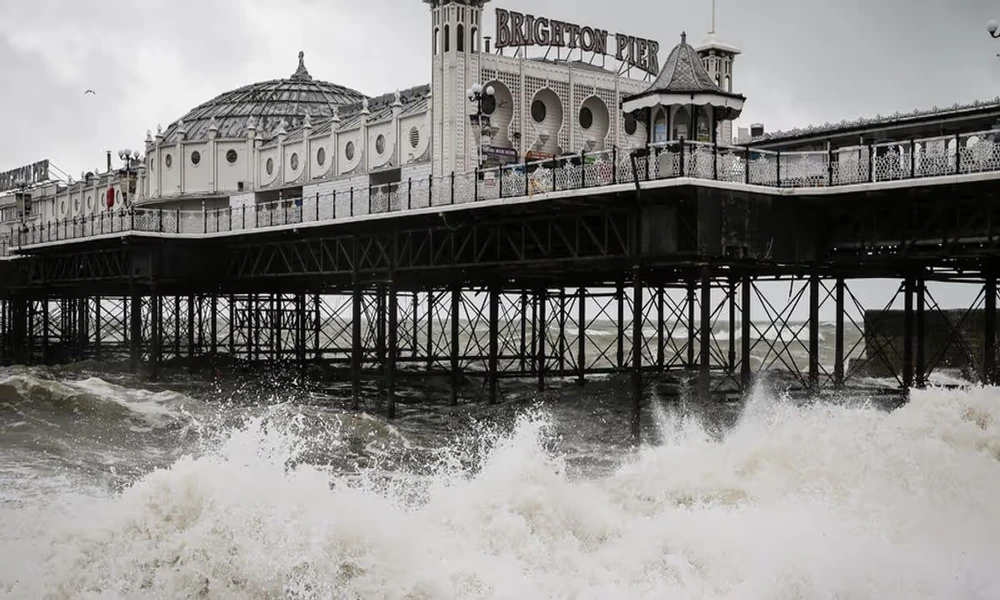
 Living near the Sussex coast has its perks: sea views, fresh air and a lively seafront. Your roof pays for those perks, though. Salt-laden breezes, driving rain and sudden storms from the Channel put coastal roofs under far more strain than those inland. If you want your home to stay dry and secure, it helps to understand what the coast does to your roof and how to stay ahead of it.
For specialist advice on protecting your property, a trusted Brighton roofing company can inspect your roof and recommend the right course of action before small issues become costly repairs.
Why Coastal Roofs Age Faster
A roof in Brighton faces a combination of pressures that an inland roof rarely meets all at once.
Salt in the air. Sea spray travels further than most people expect. Over time, salt deposits settle on tiles, metal flashings, fixings and gutters. They speed up corrosion on lead, zinc, steel and aluminium components, and they can slowly break down mortar.
Strong, persistent wind. Gusts coming off the sea lift edges, loosen tiles and work at ridge and hip fixings. A tile that is only slightly out of place can become a gap during the next storm.
Wind-driven rain. Rain here often arrives sideways. Water gets pushed under laps, behind flashings and into tiny gaps that would stay dry in calmer conditions.
Moisture and temperature swings. Damp sea air keeps surfaces wet for longer, which encourages moss, algae and lichen. When temperatures drop, trapped moisture can freeze and expand, widening cracks.
Warning Signs to Look For
You do not need to climb a ladder. Plenty of clues are visible from the ground or from inside your home.
- Slipped, chipped or missing tiles or slates after a windy spell
- Crumbling or cracked mortar along the ridge, hips or verges
- Rust streaks or white powdery marks on metal flashings and fixings
- Sagging or overflowing gutters filled with debris and moss
- Damp patches, peeling paint or brown stains on upstairs ceilings
- A musty smell in the loft or visible daylight through the roof boards
If you spot any of these, it is worth having a professional take a closer look soon rather than waiting for the next big storm.
Choosing Materials That Cope With the Coast
The materials you choose make a real difference to how long a coastal roof lasts.
Natural slate is dense and low in water absorption, which suits salty, damp conditions well. Concrete and clay tiles both perform decently, provided they are properly fixed and the surface coating is in good condition. For flat roofs, such as those on extensions and garages, a quality GRP fibreglass or single-ply membrane system resists moisture well and avoids the joins where salt and water attack traditional felt.
Metal components deserve special attention. Stainless steel, high-grade aluminium and good quality lead flashing handle salt exposure much better than basic galvanised or low-grade metals. It is a small upgrade that can prevent leaks for years.
Fixings Matter More Than Most People Think
In exposed coastal locations, the way a roof is fixed matters as much as what it is made from. Extra mechanical fixings on tiles, bedding ridge tiles with secure mortar and dry-fix systems where suitable all help a roof resist uplift. Fascias, soffits and verge details should also be sealed and fastened well, because wind tends to find the weakest point and exploit it.
A Simple Seasonal Maintenance Routine
Regular care is far cheaper than emergency repairs. A basic coastal routine looks like this:
- Autumn check. Clear gutters and downpipes before the wet, stormy months, and look for loose tiles.
- Post-storm look. After any severe gale, scan the roof from the ground for displaced tiles, damaged flashings or fallen debris.
- Spring inspection. Check for winter damage, moss growth and mortar wear, and book any repairs for the drier months.
- Professional survey every few years. An experienced roofer can spot hidden problems, such as failing underlay or corroding fixings, that are invisible from below.
Be cautious about aggressive pressure washing. It can strip protective surfaces from tiles and push water into places it should not be. Gentle, appropriate moss treatment is a safer option.
Repair or Replace?
Not every worn roof needs replacing. If damage is localised, replacing individual tiles, renewing flashings or repointing the ridge can add many years of life. However, if you are dealing with widespread tile failure, recurring leaks, a sagging structure or an ageing underlay, a full re-roof may be the more sensible long-term investment. A thorough inspection will tell you which route makes sense for your property and budget.
Pick a Roofer Who Understands the Coast
Not every roofer has experience with seaside conditions. When comparing contractors, look for a firm that explains its recommendations clearly, provides written quotes and is happy to show examples of previous coastal work. It is also worth checking whether they belong to a recognised trade body. The National Federation of Roofing Contractors is a respected industry organisation that sets standards and offers guidance to homeowners looking for a reliable professional.
Final Thoughts
A Brighton roof works harder than most. Salt, wind and relentless moisture will wear down even well-built roofs, but with the right materials, solid fixings and a little regular attention, your roof can protect your home for decades. Do not wait for a leak to tell you something is wrong. A quick seasonal check and a professional opinion at the right time can save you money, stress and a lot of damp ceilings.