Robert Linder
 I remember visiting a friend’s house in an older neighborhood, built in 1948, and the water looked cloudy. Not white cloudy, but strange. Almost like milk. And the taste was metallic like sucking on a paperclip. You know that cannot be right.
What Falls Apart First
Aging lead pipes don’t fail dramatically. They just slowly get worse. Until one night, you are calling someone at 10 pm because water is dripping through your ceiling.
- Metallic taste – Means lead or copper is breaking down.
- Cloudy water – Especially after sitting overnight? Red flag.
- Low pressure everywhere – The whole house feels tired. Water does not want to come out.
- Tiny leaks that multiply – Fix one, and another pops up. Whack-a-mole, but more expensive.
- Corrosion on exposed pipes – Green or white crusty stuff near joints? That pipe is screaming for help.
I called around last year when my own place started acting up. Finally found a professional plumber in Miami Shores who actually showed up on time. He worked for Oasis Plumbing and was a super knowledgeable guy.
He did not try to upsell me anything, just crawled under the house, looked around, and said, “Yes, your main line is original from 1962. It is not going to last another winter.” I appreciated that honesty, you know? No games. Just straight talk. And he fixed a small leak the same day while we talked about options.
Why Partial Fixes Can Backfire
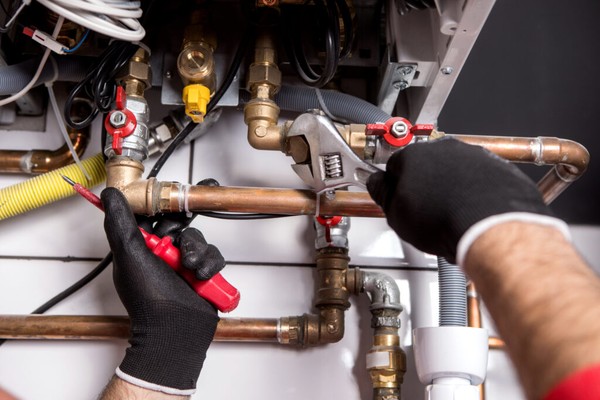
Here is something I learned the hard way, and you might think, “Oh, I will just replace the bad section,” right? Makes sense logically. But NRDC actually warns that partial lead pipe replacements can shake loose more particles than leaving them alone.
For a few weeks afterward, your water might test higher for lead. But it can be insane. You try to do the right thing, and it backfires temporarily. A full replacement is the only real solution, but yes, it costs more. And it is messy. And you have to coordinate with the city sometimes, which is never fun.
Signs You Cannot Ignore Anymore
Let me just list this out because my brain is all over the place today:
- You have lived in your home since before 1980? Assume lead pipes. Seriously.
- Rusty or brown water when you first turn on the tap in the morning
- Unexplained higher water bills – that is a hidden leak wasting money
- Plumbing repairs happening more than once a year
- You have young kids or pregnant family members? Don’t mess around with this.
So, When Should You Actually Act?
Look. I am not saying rip everything out tomorrow morning. But when to consider lead repiping and replacement in your home is really when you notice any two of those signs together. Metallic taste and low pressure.
Call someone for corrosion and frequent repairs. Yes, that is your cue. Don’t wait for a flood or a health scare. The peace of mind alone is worth it. Every time you fill a glass of water, does it look normal? Tastes like nothing? That is the goal. Seriously.