Robert Linder
Repainting a home is an opportunity to improve individual rooms, update outdated colours and create a more welcoming interior. Before starting, Ancaster homeowners should assess which areas need attention and decide whether a whole-home project or a room-by-room update is more practical. House Painting in Ancaster can cover everything from living rooms and kitchens to ceilings, staircases and interior woodwork, depending on the property’s condition and the homeowner’s plans.
Planning House Painting in Ancaster also means recognising that different rooms have different requirements. Kitchens and bathrooms need finishes that can withstand regular use and moisture, while bedrooms and living areas often place greater emphasis on colour, atmosphere and overall design. Considering these differences early can help establish a suitable plan, budget and timeline for the work.
Deciding Between Whole-Home and Individual Room Painting
Some homeowners may only need to refresh rooms with visible fading, marks or damaged paint. Others may prefer to repaint the entire interior to create a consistent appearance. Living rooms and main floors often influence the overall colour scheme because they connect with several other spaces. Painting these areas alongside adjoining hallways can help the interior feel more coordinated.
Kitchens and Kitchen Cabinets
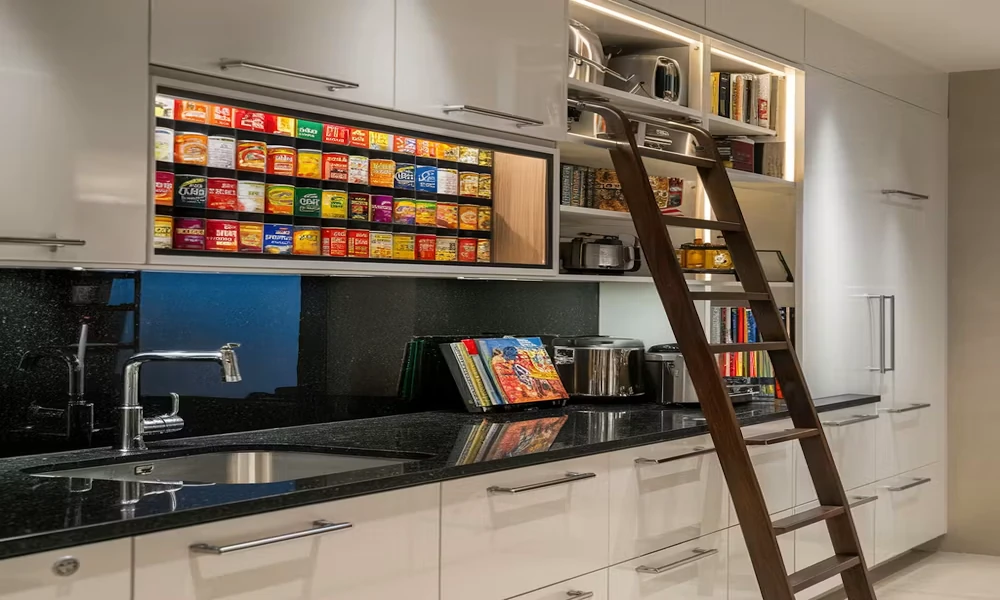
Kitchens experience frequent activity, making durability an important consideration. Walls may require washable finishes that can handle regular cleaning. Kitchen cabinets can also be painted or refinished to update their appearance without replacing the existing units. Proper preparation is essential to help paint adhere to cabinet surfaces and produce an even finish.
Bathrooms and Bedrooms
Bathrooms are exposed to moisture, so appropriate paint finishes should be selected for walls, ceilings, doors and trim. Any damaged or imperfect surfaces should be repaired before application.
Bedrooms offer more flexibility in colour selection. Calm shades can create a restful atmosphere, while feature colours may add character. Children’s rooms, guest bedrooms and primary bedrooms can each have distinct colour requirements based on their intended use.
Hallways, Ceilings, Doors and Interior Wood
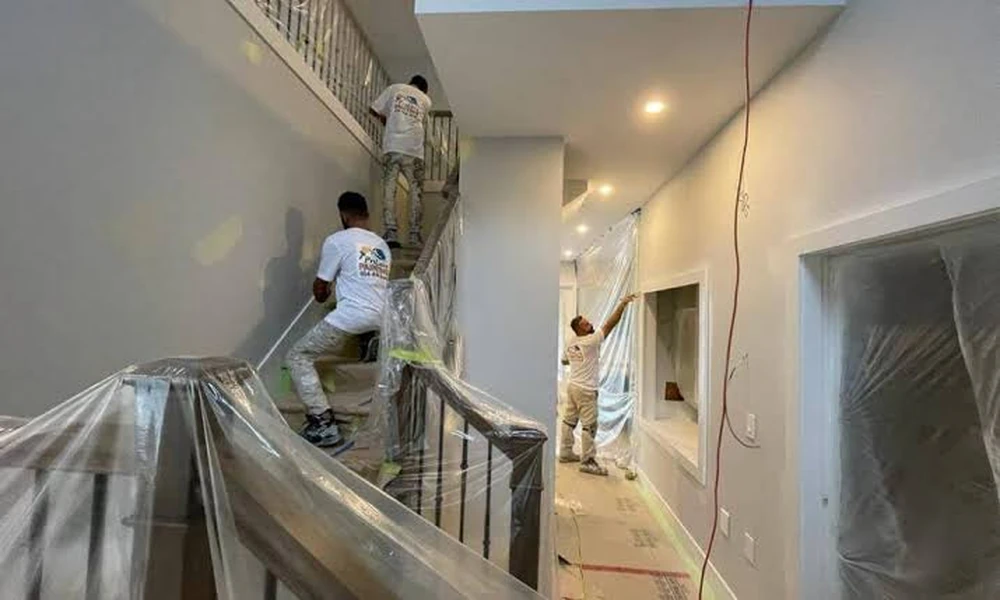
Hallways and staircases connect different parts of a home and often receive considerable daily contact. Fresh paint can improve these spaces while bringing worn doors, trim and interior wood back into a cleaner condition. Ceilings should also be assessed, particularly when older finishes show discolouration, cracks or uneven areas.
Colour Selection and Paint Finishes
Colour choices should account for natural light, room size, existing furnishings and adjoining spaces. Matching or coordinating colours between connected rooms helps create continuity without making every area identical. Paint finishes also matter. Higher-durability options may suit busy kitchens and bathrooms, while bedrooms and living areas can accommodate finishes selected primarily for their appearance and maintenance requirements.
Surface Preparation and Protection
A lasting finish depends on preparing surfaces before painting begins. This may involve repairing cracks, filling holes, smoothing imperfections and removing loose paint. Primer can help create a suitable base for the selected coating. Floors, furniture and fixtures should be covered or moved to protect them from splashes, dust and preparation work.
Decorative Wall and Ceiling Finishes
Beyond standard painting, decorative options can introduce additional character. Faux finishes and textured wall or ceiling treatments may create visual depth or a distinctive feature. These approaches work best when suited to the room’s design rather than applied without considering the surrounding interior.
Professional Painting or DIY
DIY painting may suit smaller projects where homeowners have the necessary time, tools and preparation skills. Larger interiors, detailed trim, staircases and decorative finishes can require more specialised equipment and experience. Professional painters can manage surface preparation, application, cleanup and final inspection.
Bringing the Interior Together
A successful repainting project considers the home as a connected space while respecting each room’s individual requirements. Careful planning, suitable finishes and consistent application can help Ancaster homeowners achieve an updated interior that feels coordinated and practical for everyday living.