Frances Gaddy
 Furniture is the backbone of interior design, shaping how spaces look, feel, and function. From the moment we wake up until the end of the day, we interact with furniture in nearly every environment homes, offices, hotels, and public spaces. Well-chosen furniture does more than fill a room; it enhances comfort, supports daily activities, and expresses personal or brand identity.
The Role of Furniture in Everyday Life
Furniture supports essential human activities such as sleeping, working, dining, and relaxing. A supportive bed promotes restful sleep, an ergonomic chair improves posture and productivity, and a thoughtfully designed sofa creates a welcoming place to unwind. Beyond comfort, furniture also contributes to organization. Storage units, shelves, and cabinets help reduce clutter, making spaces feel open and efficient.
Emotionally, furniture affects mood and atmosphere. Warm materials and balanced layouts create inviting spaces, while poorly planned furniture arrangements can make rooms feel cramped or uncomfortable. This makes furniture selection a key part of interior planning.
Furniture for Residential Spaces
Living Room Furniture
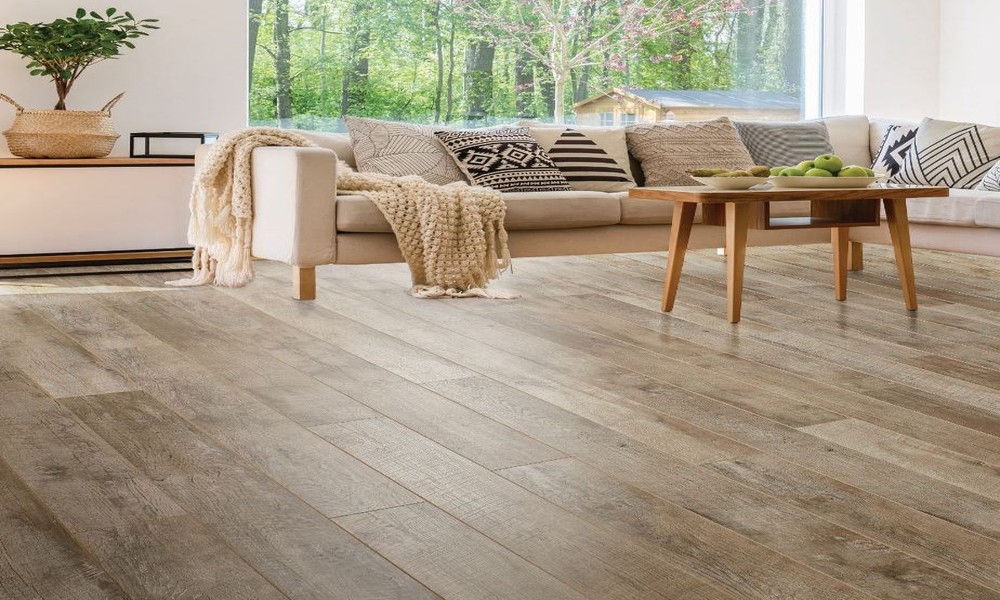
The living room is often the heart of the home. Sofas, armchairs, coffee tables, TV units, and side tables come together to create a social and relaxing environment. Comfort and durability are essential, but style also matters, as living room furniture sets the tone for the entire home.
Bedroom Furniture
Bedroom furniture focuses on rest, privacy, and storage. Beds, wardrobes, dressers, and bedside tables should offer both comfort and practicality. The right furniture helps create a calm atmosphere that supports better sleep and daily routines.
Dining Room Furniture
Dining furniture brings people together. Dining tables and chairs should be sturdy, easy to maintain, and comfortable. The design often reflects lifestyle, whether it is formal dining or casual family meals.
Office and Workspace Furniture
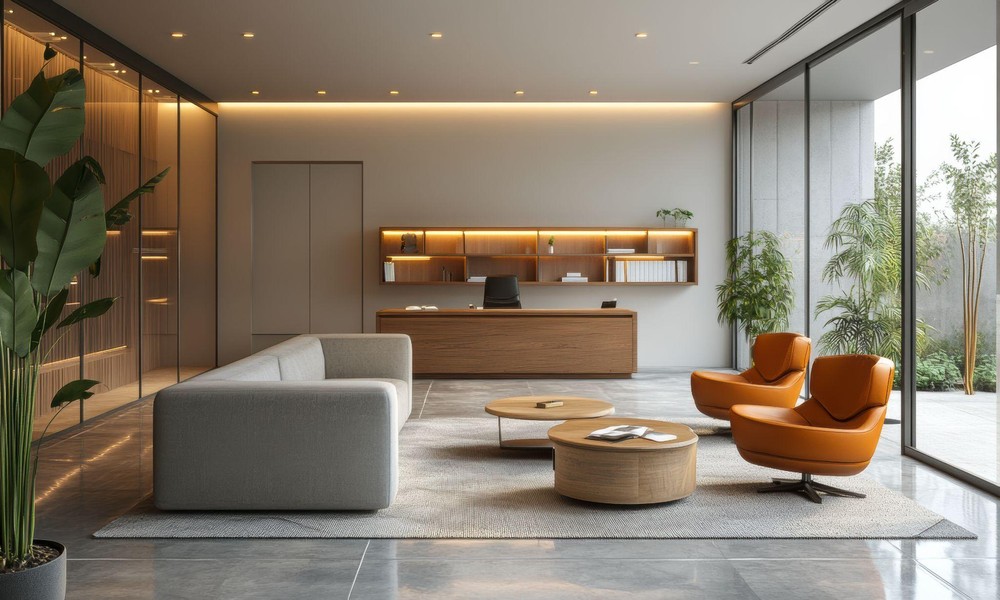
Office furniture plays a critical role in productivity and employee well-being. Desks, chairs, workstations, and storage units are designed to support long hours of work while reducing physical strain. Ergonomic furniture helps maintain proper posture, minimizes fatigue, and improves focus.
Modern office furniture often features modular designs that adapt to changing needs. Adjustable desks, collaborative seating, and smart storage solutions support flexible work environments and efficient use of space.
Commercial and Hospitality Furniture
Furniture in commercial spaces such as hotels, restaurants, retail stores, and lounges must meet high standards of durability and design. These environments experience constant use, so materials and construction quality are essential. At the same time, furniture contributes to branding and customer experience. A well-furnished space feels professional, welcoming, and memorable.
Materials That Define Furniture Quality
The quality and appearance of furniture depend largely on the materials used:
- Wood remains a popular choice for its natural beauty, strength, and versatility. Solid wood offers longevity, while engineered wood provides design flexibility and cost efficiency.
- Metal furniture is valued for its durability and modern aesthetic, commonly used in offices and industrial-style interiors.
- Upholstered furniture with fabric or leather adds comfort and elegance, especially in sofas, chairs, and beds.
- Glass and stone elements introduce sophistication and lightness, often used in tables and decorative accents.
Choosing the right material ensures furniture suits the intended use and environment.
Custom Furniture and Personalization
Custom furniture allows homeowners and businesses to create pieces tailored to their exact needs. Customization offers control over size, design, materials, and finishes, making it ideal for unique spaces or specific style preferences. Custom furniture maximizes space utilization and delivers a one-of-a-kind look that mass-produced items often cannot achieve.
Furniture Styles and Design Trends
Furniture styles range from traditional to contemporary, offering endless design possibilities. Modern furniture emphasizes clean lines and minimal detailing, while traditional designs feature classic shapes and rich finishes. Contemporary furniture blends modern elements with current trends, and minimalist styles focus on simplicity and functionality.
Trends today favor multifunctional furniture, sustainable materials, and neutral color palettes that create timeless interiors.
Maintenance and Longevity
Proper care is essential to extend the life of furniture. Regular cleaning, using appropriate products for different materials, and protecting surfaces from moisture and sunlight help maintain appearance and strength. Simple habits like using coasters, furniture pads, and covers can prevent damage and keep furniture looking new for years.
Conclusion
Furniture is more than a decorative element-it is a vital part of everyday living. It supports comfort, organization, productivity, and style across residential, office, and commercial spaces. By choosing quality materials, thoughtful designs, and proper maintenance, furniture dubai becomes a long-term investment that enhances both functionality and visual appeal. Well-designed furniture transforms spaces into comfortable, efficient, and inspiring environments that truly feel complete.