Clare Louise
 Parquet flooring is a classic flooring solution that continues to define sophistication, craftsmanship, and durability in both residential and commercial interiors. Known for its distinctive geometric patterns and rich wooden textures, parquet flooring offers a refined alternative to conventional plank flooring. It seamlessly blends traditional charm with modern design sensibilities, making it a preferred choice for homeowners, architects, and interior designers seeking both aesthetics and functionality.
What Is Parquet Flooring?
Parquet flooring is made from small wooden blocks or strips arranged in repeating geometric patterns such as herringbone, chevron, basket weave, or brick layout. Unlike standard wood flooring that focuses on linear installation, parquet emphasizes design artistry. It is typically manufactured using hardwood species like oak, walnut, maple, teak, or beech, ensuring strength, longevity, and visual depth.
Modern parquet flooring is available in solid wood and engineered wood formats. Solid parquet is made entirely from hardwood, while engineered parquet consists of a hardwood top layer bonded to multiple layers of plywood or fiberboard, enhancing stability and resistance to moisture and temperature fluctuations.
Aesthetic Appeal and Design Versatility
One of the primary advantages of parquet flooring is its visual impact. The intricate patterns create a sense of movement and texture, adding character to any space. Whether used in living rooms, dining areas, offices, or luxury retail environments, parquet flooring elevates interior design by introducing warmth and architectural interest.
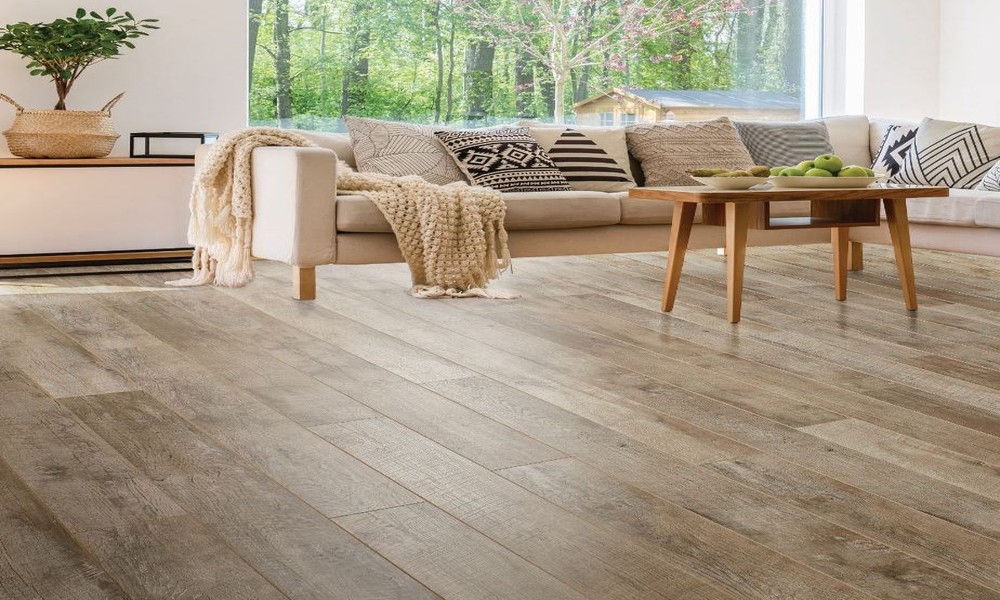
Parquet is highly versatile in terms of finishes and colors. It can be stained in light, natural tones for Scandinavian or minimalist interiors, or in darker shades to complement classic, vintage, or luxury designs. Matte, satin, and glossy finishes further allow customization to suit different lighting conditions and design preferences.
Durability and Performance
Parquet flooring is not only visually appealing but also structurally robust. Hardwood parquet is known for its long lifespan, often lasting several decades with proper care. Engineered parquet, in particular, offers enhanced dimensional stability, making it suitable for environments with varying humidity levels.
The dense wood construction provides excellent resistance to daily wear, making parquet flooring ideal for moderate to high-traffic areas. Scratches and surface damage can often be repaired through sanding and refinishing, restoring the floor to its original beauty without the need for replacement.
Comfort and Indoor Environment Benefits
Wooden parquet flooring contributes positively to indoor comfort. It provides a warm underfoot feel compared to stone or tile flooring and helps maintain a comfortable indoor temperature. Parquet also offers good acoustic properties, reducing noise levels within a space, especially when installed with appropriate underlay.
Additionally, parquet flooring is a healthier flooring option. It does not trap dust, allergens, or odors, making it suitable for homes with children or individuals with allergies. The use of natural materials also aligns with sustainable and eco-conscious design practices, particularly when sourced from responsibly managed forests.
Installation Considerations
Installing parquet flooring requires precision and professional expertise due to the complexity of patterns. Proper subfloor preparation is essential to ensure a level, dry, and stable surface. Parquet can be installed using glue-down, nail-down, or floating methods, depending on the product type and site conditions.
Engineered parquet is generally easier to install and more adaptable to underfloor heating systems, provided manufacturer guidelines are followed. Accurate alignment during installation is critical, as even minor deviations can affect the overall pattern and visual symmetry.
Maintenance and Care
Maintaining parquet flooring is straightforward when routine care practices are followed. Regular sweeping or vacuuming removes dirt and grit that could cause surface scratches. Damp mopping with a wood-safe cleaner helps preserve the finish without damaging the wood.
To extend the life of parquet flooring, it is advisable to use protective pads under furniture, avoid excessive moisture, and clean spills promptly. Periodic refinishing can rejuvenate the surface, restore color depth, and enhance durability, making parquet a long-term investment rather than a short-term solution.
Applications Across Different Spaces
Parquet flooring is suitable for a wide range of applications. In residential settings, it enhances living rooms, bedrooms, hallways, and dining areas with a sense of luxury and warmth. In commercial environments, such as offices, hotels, boutiques, and galleries, parquet flooring communicates elegance and professionalism.
Its adaptability to both classic and contemporary interiors makes parquet flooring a versatile choice for renovation projects and new constructions alike. With modern manufacturing techniques, parquet can now meet performance requirements in diverse settings without compromising design.
Why Choose Parquet Flooring?
Choosing parquet flooring means investing in a flooring solution that combines artistic design, durability, and timeless appeal. It adds tangible value to properties by enhancing interior aesthetics and offering long-term performance. With a wide range of patterns, wood species, and finishes available, parquet flooring allows for personalized design while maintaining the authenticity of natural wood.
In an era where design and functionality must coexist, parquet flooring stands out as a refined, reliable, and enduring choice. Its ability to adapt to evolving interior trends while retaining its classic identity makes it a flooring option that never goes out of style.