Clare Louise
A backyard pool in northern Illinois lives on a short, intense calendar. Most Elgin pools open in late May, run hard through a humid summer, and close by early October before the first hard freeze. In that window the water deals with maple seeds, cottonwood fluff, pounding thunderstorms, heat waves and heavy weekend use. Even a pool on a weekly professional schedule spends six days of every week without a technician beside it, and what happens on those six days decides how much work the seventh day takes.
Homeowners who want that seventh day handled properly can count on pool cleaning in Elgin from the team at pollandpool.com. A regular cleaning visit takes the heavy work off your list and leaves only a few easy habits for the days in between. Reach out before the season gets busy so your pool goes into summer on a steady schedule.
The Jobs That Belong to the Homeowner
Skimming and basket checks
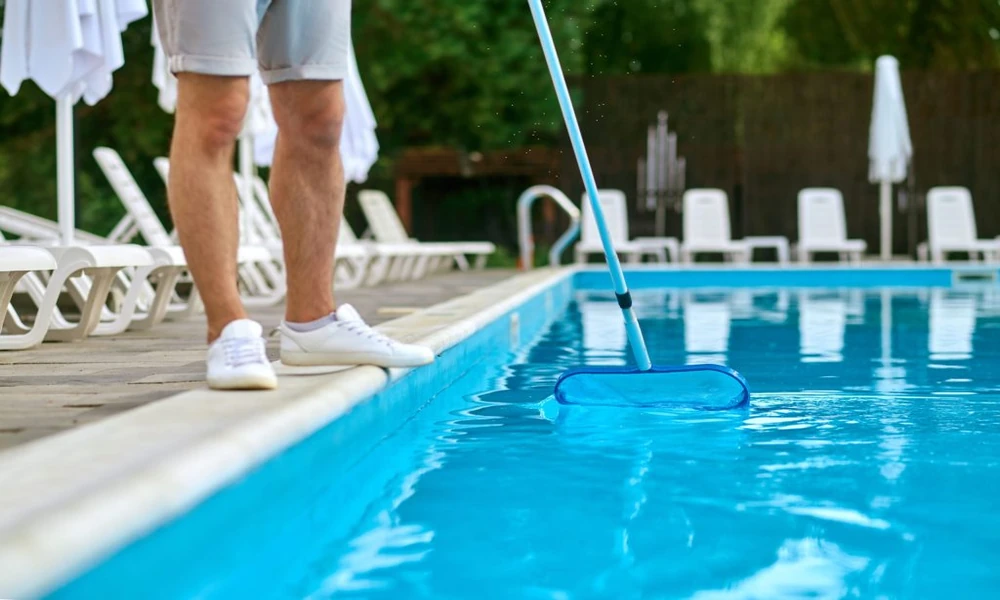
Floating debris is the fastest way for a clean pool to turn cloudy. Leaves and seeds that sink to the bottom begin to break down, feeding algae and consuming chlorine. A few minutes with a leaf net each evening, plus a quick look at the skimmer basket, keeps that organic load from building. During late spring, when maple helicopters and cottonwood fluff drift across Fox Valley yards, skimmer baskets can fill in a day or two, and a packed basket starves the pump of water.
Watching the water level
Summer evaporation and splashing lower the water line steadily, while a strong storm can raise it several inches overnight. The level should sit about halfway up the skimmer opening. Too low and the pump can draw air and run dry; too high and the skimmer door stops pulling floating debris in. A garden hose for topping up, or a pump down after heavy rain, is usually all it takes.
Quick chemistry checks
The CDC’s guidance on home pool water treatment and testing puts the responsibility for checking chlorine and pH on residential owners and recommends testing at least twice a day when the pool is in use. That sounds demanding, but a test strip takes under a minute. The point between visits isn’t to fix every reading. It is to catch a sudden drop in chlorine after a pool party or a hot spell so it can be corrected before algae takes hold.
The Jobs That Belong to the Technician
Brushing, vacuuming and filter care
Algae and biofilm cling to walls, steps and the shaded corners behind ladders, and they resist chlorine until a stiff brush breaks them loose. A thorough weekly brush followed by vacuuming removes what the skimmer can’t reach. The filter does the rest of the cleaning around the clock, which is why its condition matters so much. Sand filters need backwashing, cartridge filters need rinsing or replacement, and DE filters need fresh media. Reading the pressure gauge and knowing when each step is due is part of what a service visit covers.
Balancing beyond chlorine and pH
Chlorine and pH are only part of the picture. Total alkalinity keeps pH from swinging, calcium hardness protects plaster and grout, and cyanuric acid shields chlorine from sunlight but slows it down at high levels. Storms also wash fertilizer and phosphates from lawns into the water, which can feed stubborn algae. Correcting these readings means measuring accurately and dosing in the right order, a job that benefits from a trained eye and professional test equipment.
Equipment and safety checks
Pumps, heaters, salt cells and timers all wear out, and small symptoms like a whining motor or a slow pressure drop often show up first during routine service. Drain covers deserve attention too. The Consumer Product Safety Commission advises owners to stay out of any pool with a broken, loose or missing drain cover, since suction from a damaged drain can trap a swimmer, and a technician working in the pool every week is well placed to spot that kind of damage early.
The Jobs That Need Both
Opening and closing the pool are the two biggest days of the Elgin season, and both work best as a shared effort. In spring the owner removes standing water from the cover and clears the deck, while the technician reconnects equipment, starts the filter and balances the fresh water from scratch. In fall the order reverses. Water is lowered below the skimmer, lines are blown out and plugged, and winterizing chemicals go in, because water trapped in plumbing can freeze, expand and crack pipes during a typical Chicago area winter.
Storm cleanup falls into this category as well. After a summer thunderstorm the homeowner can safely net out branches and check the water level, while heavy debris, green water or a tripped pump call for professional attention.
Who Handles What
| Task | Between visits (owner) | During the visit (technician) |
|---|---|---|
| Debris removal | Skim surface and empty baskets | Brush walls and vacuum the floor |
| Water chemistry | Test strips for chlorine and pH | Full balance including alkalinity, hardness and stabilizer |
| Filtration | Watch for weak return flow | Clean, backwash or replace filter media |
| Water level | Top up or pump down after storms | Check for leaks if the level keeps dropping |
| Safety | Keep gates latched and covers on | Inspect drain covers and equipment |
| Season changes | Clear the cover and deck | Open, winterize and blow out the lines |
Where Pool Care Is Heading
Equipment is changing how this work gets split. Robotic cleaners now handle much of the daily floor cleaning that once fell to owners, and smart monitors that float in the water send chlorine and pH readings straight to a phone. Variable speed pumps, required for most new pool pump sales under federal efficiency rules since 2021, run longer at lower speeds and use far less electricity than older single speed motors. None of these tools replace a trained set of eyes, but they shift the homeowner’s role toward watching the numbers and leave the technician to deal with what the numbers reveal. For a pool that only gets around four months of use each year, that balance keeps the season about swimming instead of cleanup.