Frances Gaddy
 An emergency fire watch is only as effective as the routine behind it. Beyond simply being present, guards follow a structured set of duties each shift, and every one of those duties is expected to leave a paper trail. Understanding what a typical day looks like, and why the logging is treated so seriously, explains why fire departments and insurers pay close attention to how a watch program is actually run.
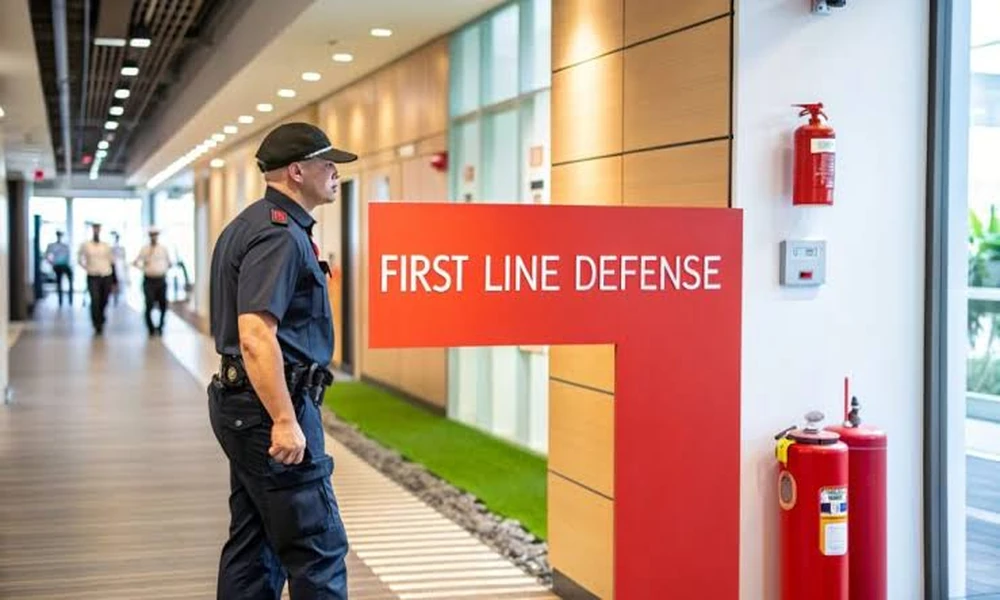
A well-organized Emergency Fire Watch program depends on consistent patrols and accurate documentation throughout the period of an impairment. Guards should understand the building’s layout, the affected fire protection systems, required patrol areas, and procedures for reporting hazards or emergencies. Keeping detailed, timely logs also helps demonstrate that the required monitoring was performed and provides building management with a clear record of the watch.
Starting the Shift
Each fire watch shift begins with a briefing covering which system is impaired, which areas are affected, the expected duration of the outage, and any hazards specific to the property. Guards confirm they have a working phone or radio, know the exact address to give emergency dispatchers, and understand where extinguishers and exits are located before their first round begins.
Walking the Patrol Route
Patrol frequency is usually set by local code or the fire department’s order, with many buildings requiring a complete round every fifteen to thirty minutes. If a single guard cannot physically cover the whole route within that window, additional personnel are assigned so that no area goes unchecked for too long. Each round covers the same ground: checking for smoke or fire, confirming exits are clear, and verifying that firefighting equipment is in place.
What Belongs in the Log
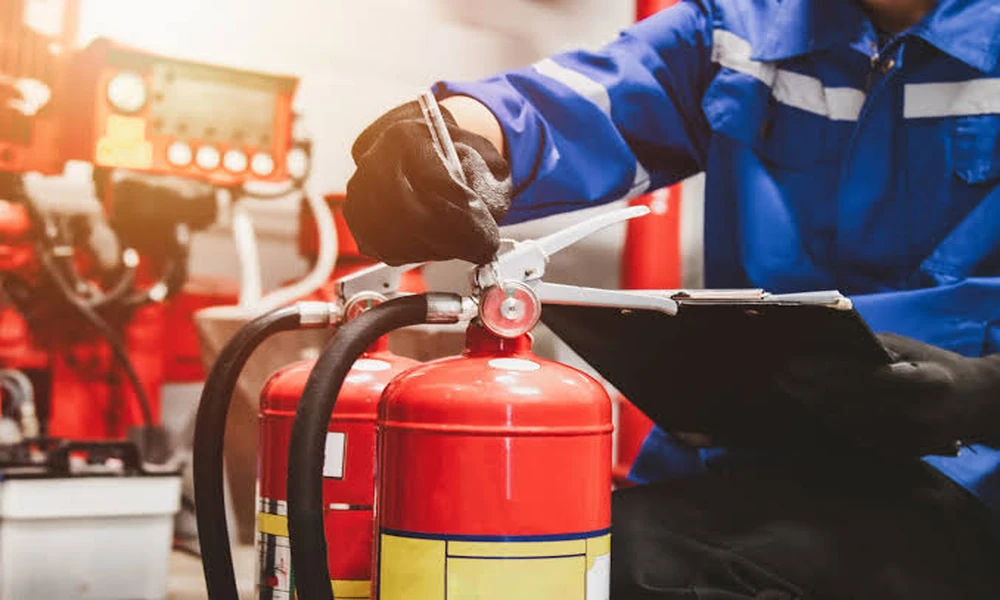
A proper fire watch log records the property address, the exact time each round was completed, the name of the guard on duty, and notes on anything observed during the patrol. If a call was made to the fire department or the monitoring company, that communication is documented as well. The log is meant to be filled out in real time, round by round, rather than filled in afterwards from memory.
Why Logs Are Reviewed So Closely
Fire departments can request the log at any point during an active watch, and a record with missing rounds or vague entries raises immediate questions about whether the coverage was real. A well-kept log does more than satisfy an inspector; it also gives building management a documented history that can be useful if an insurance claim or safety review comes up later.
Handling Shift Changes and Longer Assignments
Watches that run for several days require careful handoffs between guards. Each incoming guard should receive a briefing on anything unusual from the previous shift, confirm the current status of the impairment, and pick up the log without any gap in the timeline. A missed handoff, where one guard leaves before the next arrives, is one of the most common ways a watch program loses continuous coverage without anyone noticing right away.
Conclusion
The daily rhythm of a fire watch- briefing, patrol, observation, and documentation- is what turns a guard’s presence into a defensible safety measure. Consistent patrol routines, careful shift handoffs, and accurate, timestamped logs are what allow a building to prove, not just claim, that it was protected while its fire systems were down.