Jack Jones
 In fire and life safety, clear and reliable communication is essential. During emergencies, first responders—including firefighters, paramedics, and law enforcement—must maintain constant contact without interference or signal loss. Modern building materials, such as reinforced concrete, steel structures, and energy-efficient windows, can create dead zones that disrupt radio communication. This is where a Bi-Directional Amplifier (BDA) system comes in, offering BDA Fire Alarm System benefits that enhance in-building radio signals, ensuring responders can communicate effectively in critical situations. By boosting and distributing radio signals, these systems provide consistent coverage throughout a building, helping protect both lives and property.
BDA fire alarm systems are particularly important in large commercial buildings, high-rises, hospitals, underground parking garages, stadiums, and industrial facilities. Without proper signal coverage, first responders may face communication gaps that can slow response times or put people at risk. A well-designed BDA system eliminates these gaps, allowing emergency personnel to act quickly and confidently. Beyond improving communication, the BDA system also supports compliance with fire safety codes and enhances overall building safety.
What is a BDA System?
A Bi-Directional Amplifier system is a signal-boosting solution designed to improve radio frequency coverage inside buildings. The system captures strong external radio signals, amplifies them, and redistributes them throughout areas where signal strength is weak or nonexistent. This ensures that first responders can maintain clear communication throughout the structure, even in previously hard-to-reach areas.
BDAs are essential in structures where radio signals struggle to penetrate due to building materials or complex layouts. Hospitals, high-rise offices, schools, hotels, and industrial facilities benefit from these systems because they provide a reliable communication network that can be critical during emergencies. By eliminating dead zones, BDAs allow responders to coordinate actions effectively, reducing the risk of confusion and delays during urgent situations.
How a BDA System Works
A BDA system operates by receiving strong radio signals from outside the building, amplifying them, and distributing them indoors. This two-way amplification ensures that both incoming and outgoing signals remain strong, allowing first responders to communicate clearly with dispatch centers and colleagues inside the building.
The system consists of several key components. A donor antenna captures external signals, which are then amplified by the Bi-Directional Amplifier unit. A distributed antenna network evenly spreads the amplified signal throughout the facility. Additionally, a battery backup ensures continuous operation during power outages, while wiring and connectors link the system components to maintain optimal performance. Together, these elements provide seamless radio coverage that supports critical emergency operations.
Where BDA Systems Are Required
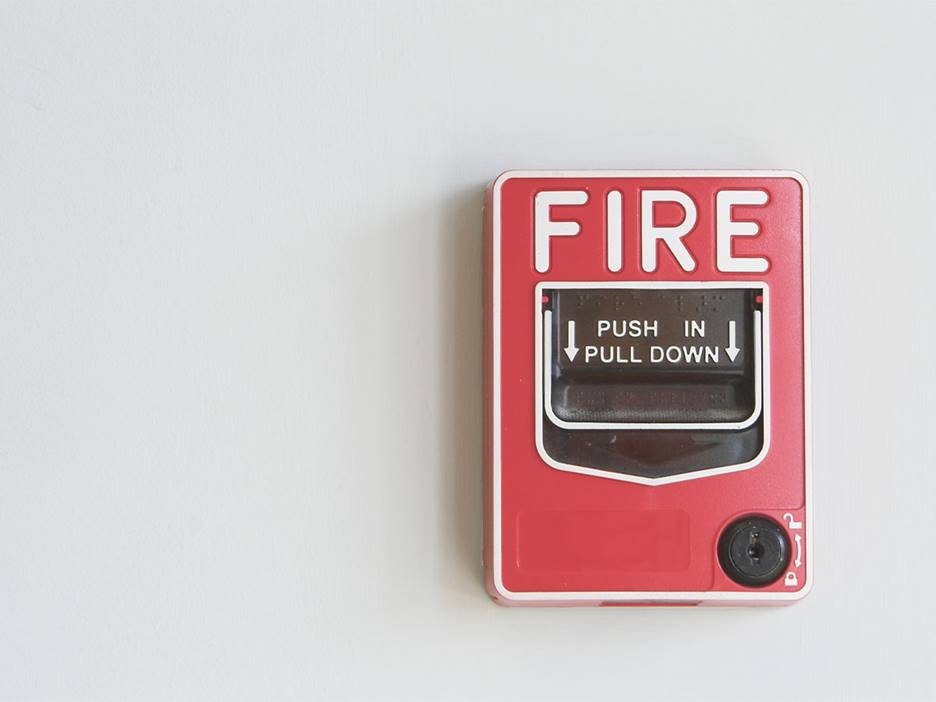
Building codes and safety regulations increasingly require BDA systems in commercial and public structures to ensure compliance with emergency responder communication standards. Large or complex buildings, particularly high-rises, hospitals, schools, hotels, and industrial sites, often need BDA systems to meet these standards.
A building that fails an Emergency Responder Radio Coverage survey must install a BDA system to achieve compliance. These systems guarantee that first responders have reliable communication in all parts of a facility, from basements and stairwells to elevators and large auditoriums. By meeting regulatory requirements, buildings not only protect occupants and visitors but also avoid potential penalties for noncompliance.
Benefits of Installing a BDA System
BDA systems provide numerous advantages for emergency response and overall building safety. By eliminating radio dead zones, they ensure that firefighters, police, and EMS personnel can communicate effectively throughout a structure, improving response times and coordination.
Compliance with fire safety codes is another significant benefit. Installing a BDA system ensures that a facility meets national safety standards, avoiding fines and demonstrating a commitment to occupant safety. Continuous signal coverage also allows first responders to report incidents and manage emergencies efficiently, while the system’s reliability increases overall situational awareness. Additionally, BDA installation future-proofs a building, ensuring that it is equipped for evolving public safety communication standards and technology upgrades.
Conclusion
A Bi-Directional Amplifier system is a critical component of modern building safety, providing reliable radio communication for first responders in emergencies. By eliminating dead zones and ensuring consistent coverage, BDAs enhance response capabilities, improve situational awareness, and protect lives and property.
Installing a BDA system delivers both immediate and long-term benefits, including compliance with safety regulations, increased occupant confidence, and seamless emergency communication. For building owners, investing in a BDA system is not only a practical safety measure but also a proactive step toward safeguarding everyone within the facility.